
Executive Green / Commercial grounds planning
A useful commercial grounds-maintenance proposal starts with a shared understanding of the property. Before requesting bids, map the service areas, record the conditions that need attention and agree on how work will be scheduled, reviewed and approved.
For campuses, HOAs, multifamily communities and business properties in Metro Atlanta, Buford and the Athens area, this site-walk checklist helps turn a general request into a property-wide scope.
Bring to the site walk
- A marked site plan
- Photos of recurring issues
- Current service boundaries
- Access and event schedules
- Bid or contract dates
01 / SITE-WALK CHECKLIST
Map the property before discussing a schedule
Start with a site plan or marked aerial image. Identify maintained turf, planting beds, entrances, courtyards, parking edges, stormwater features and areas that another contractor or owner handles. Total acreage alone does not describe the work: a broad open lawn and a series of small landscaped courtyards require different access and coordination.
Walk the boundaries with the property manager. Record gates, equipment routes, parking restrictions and places crews must avoid. On a campus or occupied commercial property, include class changes, deliveries, resident activity and major events in the discussion.
02 / SITE-WALK CHECKLIST
Define the result each area needs
Separate routine grounds care from landscape construction. The recurring scope may address mowing, edging, planting-bed care, leaf management and agreed seasonal work. Replacing a failing landscape, rebuilding a wall or renovating an entrance belongs in a separate improvement scope.
For each area, describe the expected condition and how it will be reviewed. Ask which tasks are included, which need approval and how weather or site access affects scheduling. This makes proposals easier to compare than a single line promising general lawn service.
03 / SITE-WALK CHECKLIST
Review water, planting and hardscape concerns together
Photograph recurring puddles, washed-out beds, worn turf and changes around paths or retaining walls. Note when problems appear and what has already been tried. A recurring maintenance task may improve appearance without resolving an underlying drainage or grading problem.
Identify irrigation zones and who operates, checks and repairs the system. Clarify whether a proposal includes observations, routine adjustments or separately approved repairs. Keep landscape lighting, drainage structures and paved surfaces on the site-walk list even when another specialist is responsible for them.
04 / SITE-WALK CHECKLIST
Agree on communication and approval steps
Name the day-to-day contact, the person who approves extra work and the route for reporting a concern. Discuss how visits, unresolved issues and proposed improvements will be documented. For a multi-site business, ask how reporting will identify the property and the area involved.
Confirm the bid deadline, intended contract dates and any procurement documents the owner requires. Share those requirements early so a contractor can assess the opportunity. A site visit or preliminary conversation should not be mistaken for an approved contract or a confirmed start date.

Use real project examples to make the discussion concrete
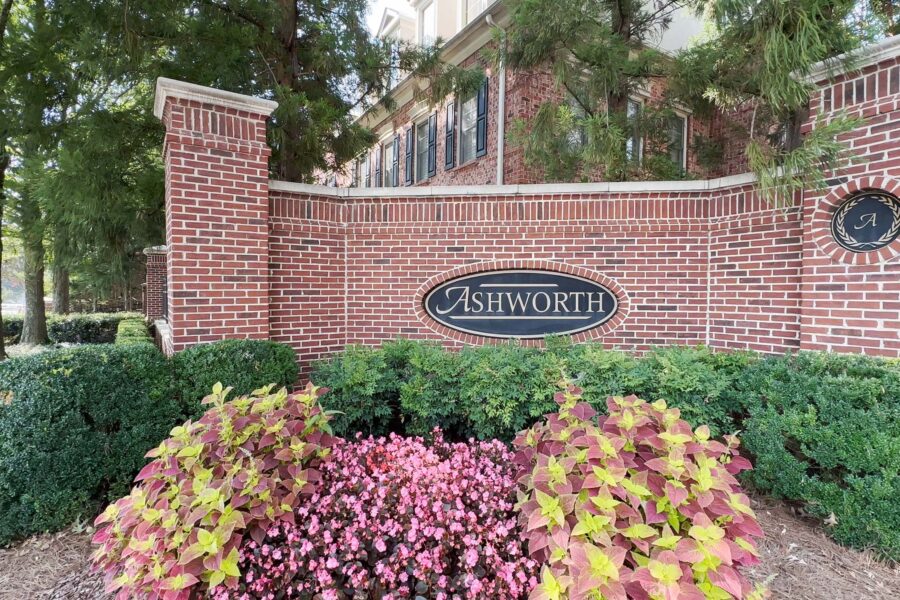
The Ashworth Community gallery shows an entrance and shared landscape areas from Executive Green’s portfolio. Use examples like these to identify which parts of your own property need recurring care, renovation or a coordinated improvement plan.
Explore commercial and campus grounds services for the types of property scopes we discuss.
Before you send a proposal request
- Location: property address or sites to be reviewed.
- Boundaries: a plan marking maintained and excluded areas.
- Priorities: recurring concerns and the outcome you want.
- Operations: access restrictions, busy periods and site contacts.
- Timing: proposal deadline, review process and desired contract dates.
If some details are undecided, say so. A clear first conversation can identify what still needs to be defined.
Commercial grounds questions
What should a commercial landscape maintenance proposal include?
It should identify service boundaries, included tasks, expected conditions, scheduling, reporting, exclusions and the approval process for extra work. The scope should reflect the actual property rather than acreage alone.
Can grounds care and landscape improvements be planned together?
Yes. Review the property as a whole, then distinguish recurring care from capital improvements such as grading, drainage, retaining walls or entrance renovations. Separate scopes help clarify responsibilities and decisions.
Do I need a complete specification before contacting Executive Green?
No. Start with the property location, the areas involved, your priorities and timing. Existing plans, photographs and an outline of current concerns help guide the first conversation.
Which Georgia properties does Executive Green discuss?
Executive Green reviews grounds programs for campuses, commercial sites, HOAs, multifamily communities and hospitality properties across its Georgia service area. Share the location and requirements to confirm coverage and fit.
Continue planning
Read our HOA landscape-maintenance scope guide and fall property-review checklist, or browse completed landscape projects.
Start with your property and priorities
Executive Green plans commercial grounds programs and landscape improvements in Metro Atlanta, Buford, Watkinsville, Athens and surrounding Georgia communities. Tell us about your service areas, goals and timing so we can discuss the right next step.