

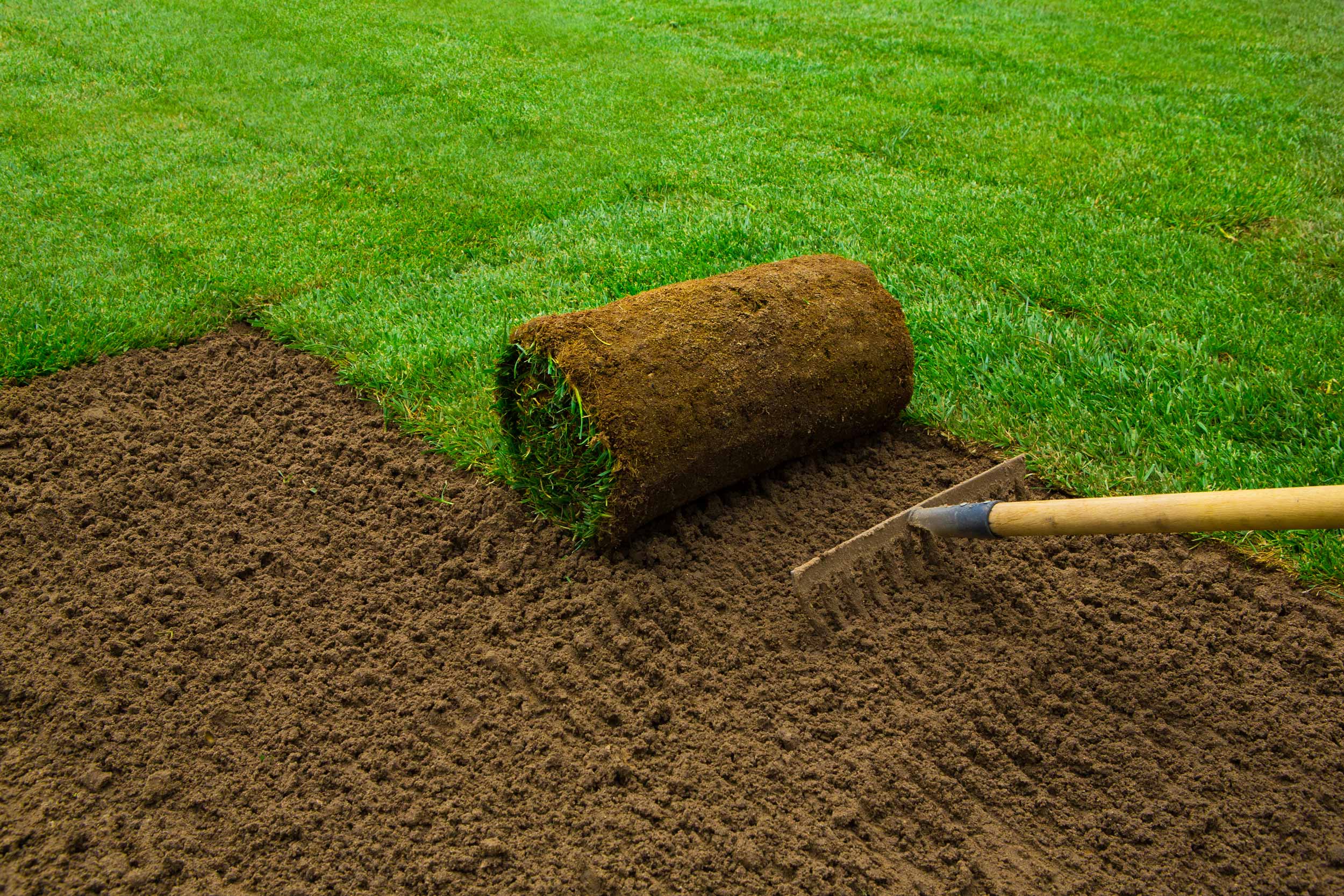
Sod can provide a finished lawn surface quickly, but long-term performance depends on the site, grass selection and establishment care. In Athens and Watkinsville, assess sun, soil, drainage and future watering before ordering turf.
Match the grass to the actual property
Observe sunlight across the lawn, not just at midday. Tree cover, buildings and seasonal shade affect which turf is suitable. Discuss foot traffic, pets and how the area will be used. Choosing a grass solely because it looks good at another home can overlook important differences in the growing conditions.
Executive Green offers sod and turf options as part of its residential landscaping services. The selection should follow a property review. For general timing, UGA Cooperative Extension’s lawn guidance distinguishes warm-season establishment from cool-season lawn renovation. Your turf type and current site conditions determine the appropriate schedule.
Resolve soil and grade problems first
New sod does not remove compaction or correct standing water by itself. Review the existing surface, drainage routes and any areas that repeatedly fail. A soil test can help guide amendments rather than relying on a standard fertilizer package for every lawn.
- Identify weeds and the existing turf that need to be addressed.
- Discuss soil preparation and the finished grade.
- Preserve suitable drainage around paths, patios and buildings.
- Check irrigation coverage before the sod arrives.
- Plan equipment access and restoration of disturbed edges.
When a yard also needs hardscape work, complete disruptive construction in a sequence that protects the new lawn. A coordinated plan reduces the chance that recently laid sod becomes an equipment route.
Treat establishment as part of the installation
Agree on who will water the new sod and how the plan will change with rainfall, rooting and weather. Establishing turf needs different attention from a mature lawn. The contractor should provide instructions suited to the installed grass and site, rather than assuming an existing irrigation timer is correct.
Ask when mowing and normal foot traffic can resume, and how to report a problem. Check for gaps, lifting edges and areas receiving uneven water. Avoid interpreting every color difference as a fertilizer issue; shade, excess moisture and poor coverage can also affect the result.
Consider the lawn within the whole landscape
The Pappas project photos show how lawn space relates to walls and backyard layout. They are a design reference, not a claim about a particular grass variety or watering schedule.
Common questions
Can new sod fix a muddy low spot?
It will not correct the underlying drainage problem. Review water movement and grade before covering the area.
Is spring right for every grass type?
No. Warm-season and cool-season grasses have different establishment needs. Select the grass first, then plan timing around its growing season and site conditions.
Should I keep my normal watering schedule?
Not automatically. New sod needs an establishment plan, with adjustments for rainfall and rooting. Review your irrigation coverage and instructions before installation.
Related planning guides
Continue planning with Irrigation Checks for Buford and Metro Atlanta: Fix Coverage Before Adding Water and Yard Drainage in Watkinsville: Find the Cause Before Adding a Drain.
Plan your lawn renovation
Executive Green designs, builds and maintains landscapes in Watkinsville, Athens, Buford and Metro Atlanta. Request an on-site project assessment or call (404) 558-0839. Share your location, a few property photos and the outcome you want so we can discuss the right scope for your space.


